
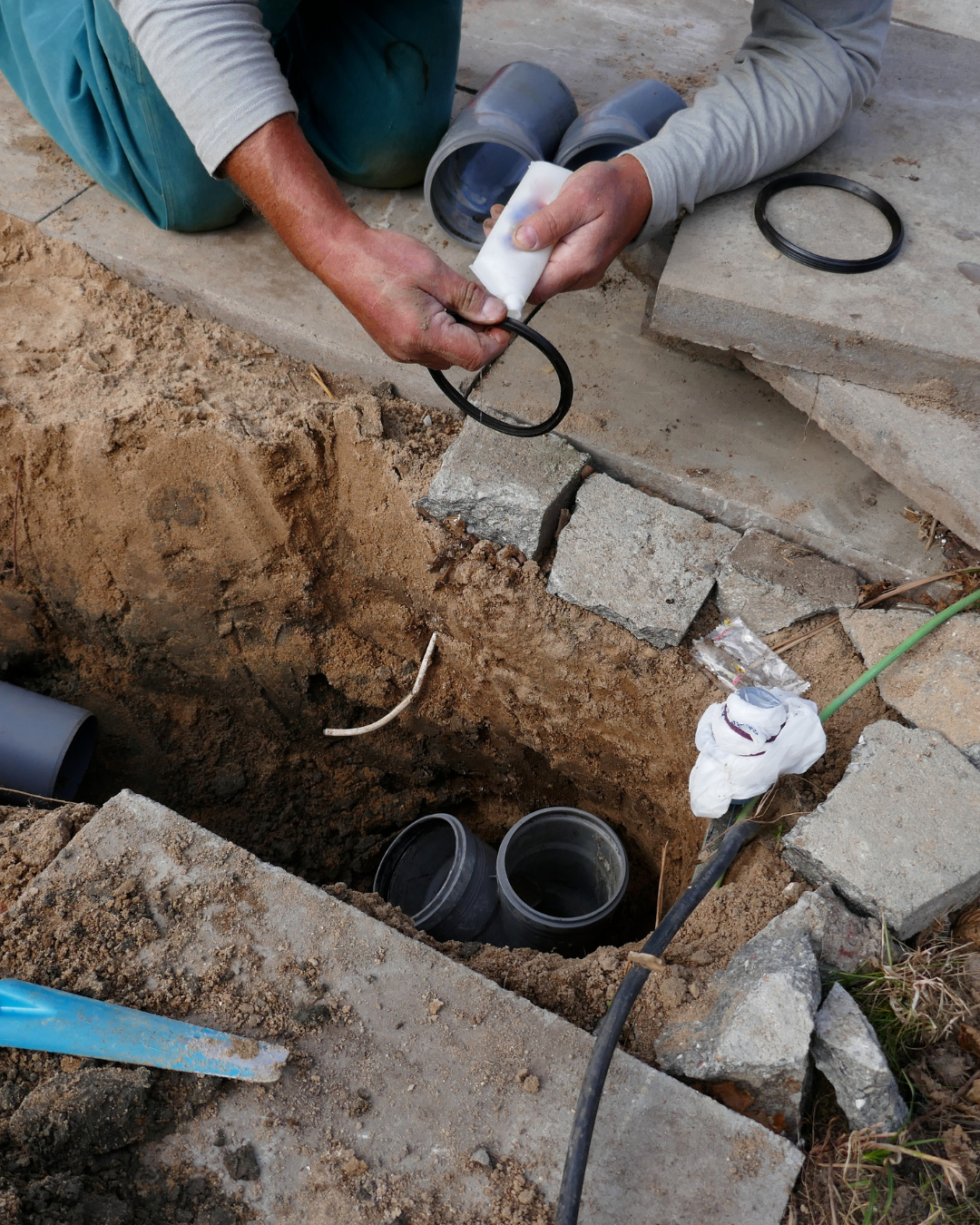
Finding out your sewer line needs real repair, not just aroutine cleaning, tends to land with a specific worry attached: the backhoe. You picture the lawn you’ve babied for years torn into a muddy trench, the patio cracked open, and a mess that takes weeks to sort out. For a long time that really was the only way to fix a failing line. It isn’t anymore. Trenchless methods have changed what sewer repair does to a property, though they aren’t the right fit for every situation. Here’s how the two approaches actually compare, and what each one means for your yard, your schedule, and your total bill.
First, Why a Sewer Line Ends Up Needing Repair
Clearing a clog and repairing a line are two different jobs. If a cable or ahydro-jetting pass gets your water flowing again, you may not need either method on this list. Sewer line repair enters the picture when the pipe itself has failed. In a lot of Boulder homes that means an older clay or cast iron lateral that’s cracked, scaled nearly shut, invaded by roots at the joints, or sagging into a low spot where waste pools instead of draining. Asewer camera inspection is what confirms which of those you’re dealing with, and that same footage tells your plumber whether trenchless is even on the table.
What Trenchless Sewer Repair Actually Involves
Trenchless is an umbrella term for fixing a line without digging it up end to end. Two methods do most of the work. The first is cured-in-place lining, where a flexible liner coated in resin is pulled or inflated inside your existing pipe and left to harden. Once it cures, you’ve essentially got a new pipe formed inside the old one, with no joints for roots to work their way back into. The second is pipe bursting, which pulls a new pipe along the old path while a bursting head breaks the original pipe outward and pushes the pieces into the surrounding soil. Both reach the line through one or two small access points rather than a trench, and that’s the whole reason your yard comes out the other side in better shape.
What a Traditional Dig Looks Like
The traditional method is open-trench excavation, and it’s about what it sounds like. Crews dig down to the sewer line and open a trench that follows the pipe, often from the house all the way to the connection near the street. The damaged pipe comes out, new pipe goes in at the correct grade, and the trench gets backfilled. The complication is everything sitting on top of that path. Grass, garden beds, a stretch of walkway, part of a driveway: if it’s over the line, it has to come up to reach the pipe. There are still cases where this is the only method that works, and we’ll come back to those, but it asks a lot more of your property.
What Actually Happens to Your Yard
This is the part most people care about, and it’s where the two methods split hardest. With trenchless, your established lawn, mature trees, flower beds, and hardscaping like a patio or driveway generally stay put. The access points mean some localized digging and a bit of trampled turf around the work zone, but there’s no long scar running down the middle of the yard, and the cleanup is quick.
A traditional dig is a different day entirely. You end up with an open trench, excavated soil mounded beside it, and torn-up landscaping anywhere the digging runs. If the line passes under concrete, that concrete gets cut and pulled to get at the pipe. None of it is permanent damage, but putting it all back is a project of its own.
Here’s the short version of what each method tends to mean for your property:
- Trenchless: one or two small access points, most landscaping and hardscaping left intact, and fast cleanup
- Traditional dig: an open trench along the line, excavated dirt piled in the yard, and any lawn, beds, or concrete over the pipe removed to reach it
Timeline and Cost, Past the Sticker Price
Timeline usually follows the same split. Because trenchless skips the full excavation, many of these repairs wrap in a day or two. A traditional dig tends to run longer, sometimes several days or more, depending on how deep the line sits and how the property is laid out.
Cost is where people get caught off guard, and it’s worth slowing down on. The quote for the repair itself is only one line of the real total. With a dig, you’re also paying to make the property whole again afterward: backfilling the trench, laying fresh sod or seed, and repaving any concrete that had to be removed. Trenchless often costs more up front for the materials and specialized equipment, but it sidesteps most of that restoration work. So the honest comparison isn’t repair against repair. It’s the full cost of each, yard included.
When Trenchless Isn’t the Right Call
Trenchless gets talked up plenty, so it’s worth being straight about the limits. These methods need a pipe that can still guide the liner or the bursting head along its path. When a line has fully collapsed, pulled apart at the joints, or dropped into a deep belly, there’s no reliable path to follow, and forcing it doesn’t end well. In those cases a traditional dig is the right answer, not a consolation prize. This is exactly why the camera inspection carries so much weight. Repairing a line you can’t see is guesswork, and the footage is what honestly tells you which method your situation calls for.
Frequently Asked Questions
How do I know if my sewer line can be repaired trenchless?
A camera inspection is the deciding factor. It shows whether the pipe still offers a usable path for a liner or a bursting head, or whether the damage has gone too far for either one.
Is a trenchless repair as durable as a full pipe replacement?
The new liner or pipe is built to last, and because it’s one continuous run with no joints, it removes the very spots where roots used to get in. Durability usually isn’t the trade-off. Whether your pipe qualifies for the method is the real question.
Will there still be some digging with a trenchless repair?
Usually a little. The process needs one or two small access points to reach the line, so expect some localized digging, just not a trench running the length of your yard.
Does trenchless work if tree roots caused the damage?
Often, yes, as long as the roots cracked or infiltrated a pipe that’s still structurally sound. Lining and pipe bursting both seal off or replace the path the roots were using. If roots have crushed or collapsed a section outright, that may push you toward a dig.
How soon can I use my plumbing again after the repair?
It depends on the method and how much work the line needs, but trenchless jobs often have you back up and running quickly since there’s less site work involved. Your plumber will give you a clear window based on what your line requires.
What happens to my driveway or patio if the line runs underneath it?
With trenchless, hardscaping over the line usually stays intact because the work happens through small access points. A traditional dig may mean cutting that concrete and rebuilding it later, which is part of why the total cost can climb.
Sort Out Your Sewer Repair Options with Canyon Plumbing & Heating
If your line needs more than a cleaning, the smartest first move is finding out what shape the pipe is actually in. Canyon Plumbing & Heating can inspect your sewer line, walk you through whether trenchless or a traditional dig fits your situation, and handle the sewer line repair either way. Reach out to schedule service and get a clear read on your options before anyone so much as touches your yard.