
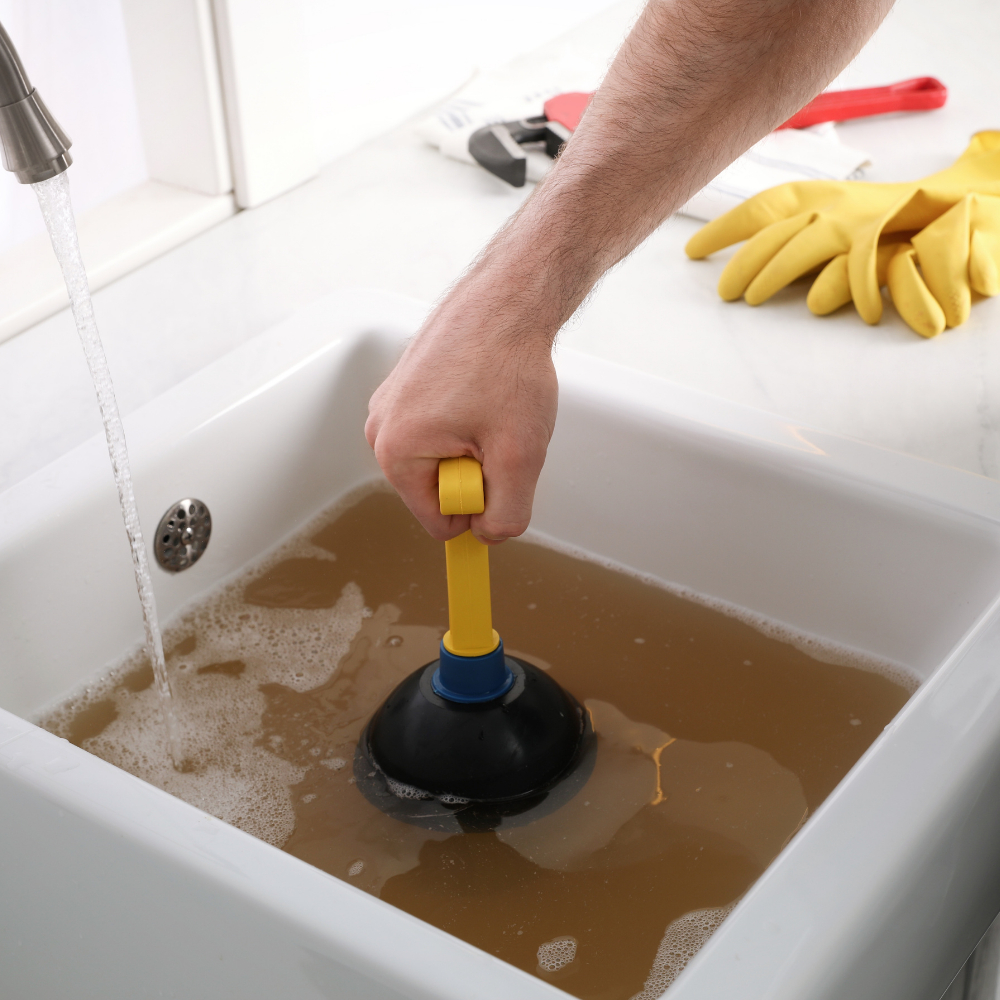
A drain that takes a few extra seconds to empty might seem like one of those small household annoyances that doesn't really need attention. The water still goes down, after all. But in many homes, a slow drain is the first warning sign that something larger is happening inside the plumbing system. Knowing how to read that early signal can be the difference between a quick service call and a much more disruptive repair down the road.
At Canyon Plumbing & Heating, we get calls about slow drains every week from homeowners across Boulder and the Front Range. Some turn out to be simple fixture-level buildup. Others reveal deeper sewer line problems that have been developing quietly for months. The challenge is that both situations can start with the same symptom, so it helps to know what to look for before deciding whether to grab a plunger or pick up the phone.
What Causes a Slow Drain in the First Place
Most slow drains start with buildup. Over time, hair, soap residue, grease, food particles, and mineral scale collect along the inside walls of your pipes. As the layer thickens, the opening narrows, and water can no longer move through the way it used to. This is normal wear, and in most homes it happens gradually enough that you don't notice until the slowdown becomes obvious.
The location of the buildup tells you a lot about the cause. Bathroom sinks and showers tend to clog with hair and soap. Kitchen sinks struggle with grease, cooking oils, and food waste pushed through by the dishwasher or garbage disposal. Older homes may also deal with mineral scale or corroded pipe interiors that catch debris more easily than newer plumbing.
In Boulder and surrounding areas, hard water adds another layer to the problem. Mineral content in our local water leaves deposits inside pipes over time, narrowing the flow path and giving debris more surface area to stick to. Combine that with aging plumbing in many older neighborhoods, and slow drains become more common than they would be in a brand-new home.
When a Slow Drain Is Just a Slow Drain
If only one fixture in your home is draining slowly, the issue is usually localized. A clog in the trap or just past it can typically be cleared without major work. Common signs of a single-fixture issue include:
- Water draining slowly from one sink, tub, or shower while everything else works normally
- No unusual sounds from other drains when the slow fixture is in use
- No odors coming from elsewhere in the home
- The problem develops gradually over weeks or months rather than appearing suddenly
These cases often respond well to professional drain cleaning. A plumber can clear the blockage thoroughly without the risks that come with chemical drain cleaners, which can damage older pipes and rarely solve the underlying problem.
Warning Signs That Point to a Bigger Problem
The picture changes when symptoms spread. Once multiple fixtures are involved, or when you start noticing secondary signs, the issue likely isn't a simple clog near the drain opening. It's something deeper in the system.
Here are the signs that should prompt a closer look:
Multiple drains are slow at the same time. When your kitchen sink, bathroom sink, and tub all start draining sluggishly within the same week, the problem is usually past the point where individual fixture lines connect, which means it's in the main line.
You hear gurgling sounds. A toilet that bubbles when you run the bathtub, or a sink that gurgles when the washing machine drains, suggests air is trapped in the line because water can't flow freely. This often points to a partial blockage in the main sewer line.
Odors are coming from the drains. Sewer gas smells inside the home or near floor drains indicate the system isn't venting or draining properly. This is not something to ignore.
Lower-level fixtures back up first. If water rises in a basement floor drain or a lower-level shower when you run plumbing on upper floors, the blockage is likely in the main line. Wastewater is finding the lowest exit point because it can't move through normally.
The problem keeps coming back. A slow drain that clears with a snake but returns within weeks suggests the cause is deeper than the snake can reach. Root intrusion, pipe damage, or a belly in the line will all produce this pattern.
Any one of these signs is worth taking seriously. Two or more together strongly suggests a main line issue that needs professional attention before it becomes a full backup.
Why Sewer Line Problems Cause Slow Drains
When the issue is in the main sewer line rather than a fixture line, the causes are usually different from simple buildup. Common culprits include:
Tree root intrusion, which is especially common in established Boulder neighborhoods with mature landscaping. Roots find their way into pipe joints seeking moisture, then expand and trap debris.
Bellies in the line, where a section of pipe has settled and now sags. Waste collects in the low spot instead of flowing through.
Cracked or misaligned pipe sections, often the result of soil movement, freeze-thaw cycles, or aging pipe materials.
Heavy grease buildup, which can coat the entire pipe wall in homes that have gone many years without thorough sewer line cleaning.
These problems don't respond to plungers or store-bought drain cleaners. They require diagnostic tools, the right equipment, and experience reading what the symptoms are pointing to.
How a Professional Identifies the Real Cause
When you call a plumber for a recurring or whole-house slow drain, the goal isn't just to clear the blockage. It's to figure out why it keeps happening. Two tools are especially useful here.
A camera inspection sends a small waterproof camera through your drain line, giving the plumber a real-time view of what's inside the pipe. This removes the guesswork. Instead of treating symptoms, we can see exactly where the problem is, whether it's roots, a belly, a crack, or buildup, and recommend the right fix.
Hydro jetting uses high-pressure water to scour the entire inner wall of the pipe. Unlike a snake, which punches a hole through a clog and moves on, hydro jetting removes the buildup itself. For homes with heavy grease, recurring clogs, or root intrusion, it's often the longest-lasting solution.
Why Addressing It Early Matters
A slow drain that gets handled quickly is almost always a smaller, less expensive job than the same problem six months later. Ignoring it allows debris to keep accumulating, pressure to build up against pipe joints, and small cracks to widen. What started as a slightly slow kitchen sink can turn into a sewage backup in the basement, water damage to flooring and drywall, and a much larger repair bill.
The early-action principle is the same one that applies to most home maintenance. Catching issues while they're still small protects your plumbing system, your home, and your budget.
Frequently Asked Questions
How can I tell if my slow drain is a main line issue versus a single-fixture clog?
If only one drain is slow and the rest of your home is working normally, it's usually a localized clog. If multiple drains are slow at the same time, if you hear gurgling, or if lower-level fixtures back up when you use upstairs plumbing, the issue is likely in the main sewer line.
Is it safe to use a chemical drain cleaner on a slow drain?
We generally advise against it. Chemical cleaners can corrode older pipes, damage fixtures, and rarely address the actual cause of the slowdown. They can also make it more hazardous for a plumber to work on the line afterward. Professional drain cleaning is safer and more effective.
How often should I have my drains professionally cleaned?
For most homes, professional drain cleaning every 18 to 24 months is enough to prevent buildup-related problems. Homes with mature trees near the sewer line, older plumbing, or a history of recurring clogs may benefit from annual service.
What's the difference between snaking a drain and hydro jetting?
Snaking creates a path through a clog, which clears the immediate blockage but often leaves buildup along the pipe walls. Hydro jetting uses high-pressure water to clean the entire pipe wall, which removes the underlying cause and lasts much longer for stubborn or recurring issues.
Can a slow drain really cause water damage to my home?
Yes, indirectly. A slow drain that's ignored can progress to a full backup, sending wastewater into your home through the lowest fixtures. It can also signal a leak or cracked pipe somewhere in the system, which may cause water damage you don't see until walls, floors, or ceilings show the effects.
When should I call a plumber instead of trying to fix a slow drain myself?
Call a professional when the slowdown affects multiple fixtures, when it keeps coming back after you clear it, when you hear gurgling or smell sewer odors, or when you have any reason to suspect the issue is deeper than the trap. These are signs that a household tool won't resolve the actual problem.
Schedule Your Drain Inspection with Canyon Plumbing & Heating
A slow drain is your plumbing system asking for attention. Whether it turns out to be a simple fixture clog or the first sign of a deeper sewer line issue, the sooner it's addressed, the smaller the repair tends to be. Canyon Plumbing & Heating provides honest, upfront pricing and knowledgeable technicians who take the time to find the real cause, not just clear the immediate symptom.
If your drains have been acting up, you've noticed gurgling, or you're tired of dealing with the same clog over and over, schedule your service today.