
Colorado winters place serious demand on your home’s plumbing and heating systems, especially your water heater. When outdoor temperatures drop, your water heating system works harder to keep up with daily demand—from showers and laundry to dishes and cleaning. If your system isn’t prepared, winter can expose underlying issues and leave you running out of hot water at the worst possible time.
Understanding how cold weather affects your hot water heater, recognizing early warning signs, and scheduling proactive water heater services can help prevent breakdowns, water damage, and costly emergency repairs during the coldest months.
Why Winter Is So Hard on Water Heaters in Colorado
During winter, the water entering your home is significantly colder. That forces your gas hot water system, electric water heaters, or tankless water heater to run longer heating cycles to maintain the desired temperature. Increased usage combined with colder inlet water leads to additional strain on internal components like the heating element, thermostat, and valve assemblies.
Common winter-related stressors include:
- Increased hot water usage across bathrooms and the kitchen
- Longer recovery times for traditional hot water tanks
- Greater energy consumption and higher pricing concerns
- Accelerated wear that can trigger the need for water heater repair or water heater replacement
Homes throughout Boulder and the Front Range often experience sudden temperature drops, making winter the most common season for hot water system repair calls.
Warning Signs Your Water Heater May Not Be Winter-Ready
If you notice any of the following issues, your system may need water heater service before winter arrives.
Inconsistent or Insufficient Hot Water
Fluctuating temperatures or reduced supply often point to sediment buildup, a failing heating element, or thermostat issues—especially common in older tanks.
Unusual Noises
Popping or rumbling sounds may indicate mineral buildup inside the hot water cylinder, reducing efficiency and increasing the likelihood of hot water tank repair.
Visible Leaks or Moisture
Leaks around the tank, pipes, or valves can quickly worsen in freezing conditions and may require immediate plumber attention.
Pilot Light or Ignition Issues
For gas systems, a failing pilot light or combustion-related problems can lead to unreliable performance or a complete loss of hot water.
Aging Equipment
If your system is approaching 10–12 years old, winter is often when homeowners begin considering hot water tank replacement, tankless water heaters, or water heater installation.
How Cold Weather Impacts Water Heater Performance
Cold weather increases strain on both traditional and tankless systems:
- Gas hot water systems rely on consistent combustion and airflow, which can be disrupted by cold conditions.
- Electric hot water systems must work harder as incoming water temperatures drop.
- Tankless water heaters require proper sizing to handle cold groundwater without sacrificing hot water on demand.
Without routine heater maintenance, winter performance often declines quickly.
Winter Preparation Tips for Your Water Heater
Proactive maintenance helps reduce emergency calls and avoids unexpected hot water repair during peak winter demand.
Flush the Tank
Annual flushing removes sediment that can damage the heating element and improve overall efficiency.
Check the Thermostat Setting
Maintaining the correct thermostat setting improves comfort while controlling energy use and heating costs.
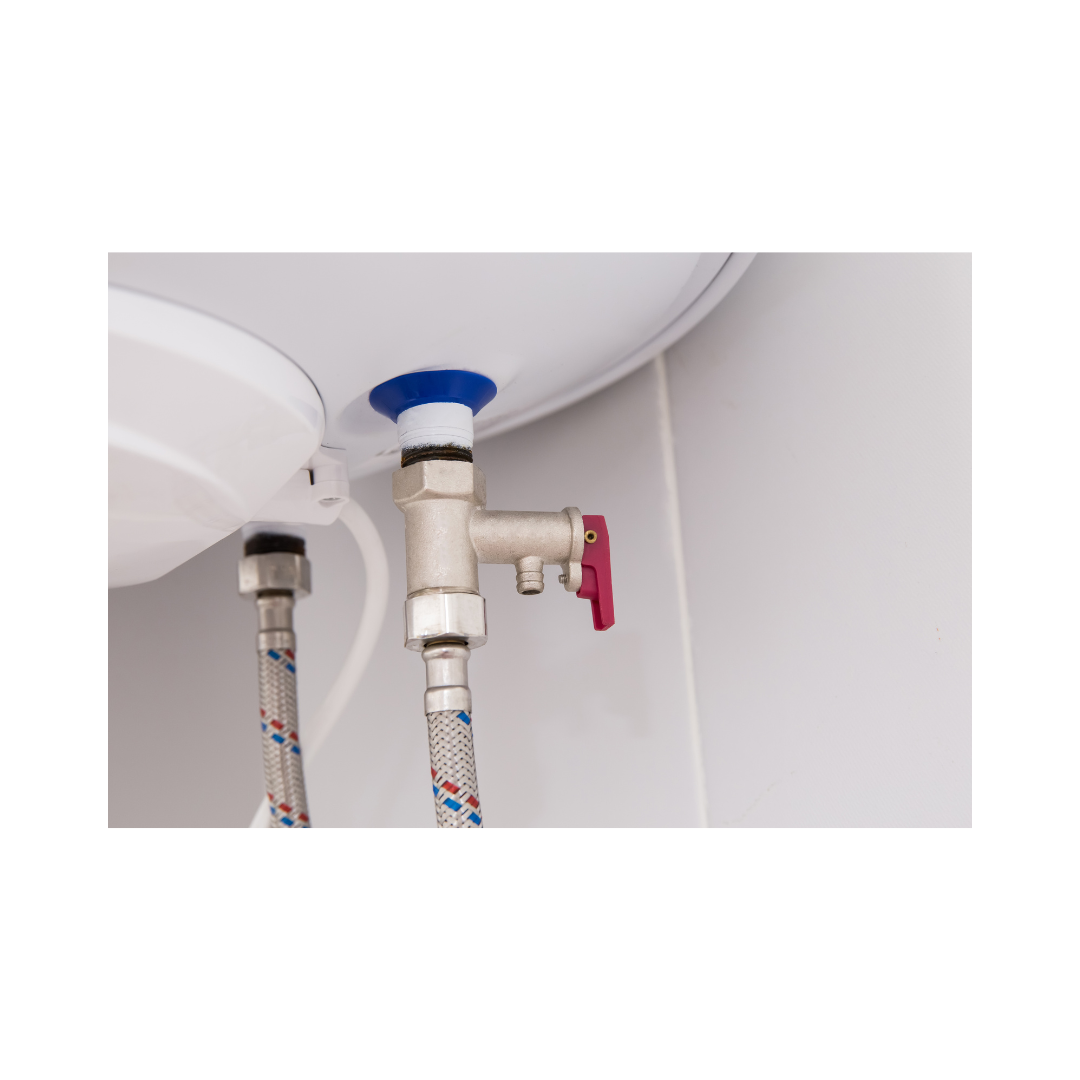
Inspect Valves and Connections
Faulty valves increase the risk of leaks and water damage during freezing temperatures.
Insulate Pipes
Pipe insulation helps maintain water temperature and reduces heat loss between the tank and fixtures.
Schedule Professional Service
A licensed plumber can inspect combustion systems, test components, and identify whether heater repairs or replacement should be planned before winter.
Tank vs. Tankless: Winter Performance Considerations
Choosing between a traditional tank and a tankless system depends on household demand and long-term home improvement goals.
Tank systems may require hot water tank replacement if demand exceeds capacity.
Tankless water heaters offer hot water on demand but must be properly sized for Colorado’s cold groundwater temperatures.
In some cases, homeowners also explore electric water heaters, heat pump water heaters, or even solar hot water repairs as part of an efficiency upgrade.
Why Winter Is the Worst Time for Water Heater Failure
Cold-weather failures often lead to urgent calls for emergency hot water repair or gas heater repair. During peak winter demand, availability can be limited, and repair costs may increase.
Planning ahead helps avoid:
- No hot water during freezing weather
- Emergency heater fix situations
- Unexpected water tank replacement cost surprises
- Disruptions to bathrooms, taps, and daily routines
Preventive water heater service allows homeowners to control timing, pricing, and replacement decisions.
Schedule Winter Water Heater Service with Canyon Plumbing & Heating
Your water heater plays a critical role in your home’s comfort during Colorado’s coldest months. Whether you need water heater repair, hot water tank replacement, tankless water heater installation, or routine heater maintenance, professional service now can help you avoid winter emergencies later.
Canyon Plumbing & Heating provides reliable plumbing and water heater services throughout Boulder and the surrounding Front Range. Our experienced technicians service Rheem systems, gas and electric models, and tankless units, offering clear pricing and expert recommendations.
Contact Canyon Plumbing & Heating today to schedule your winter water heater service and ensure dependable hot water all season long.
Frequently Asked Questions
How often should water heaters be serviced?
Annual service is recommended to inspect components, flush sediment, and maintain efficiency—especially before winter.
Why do I keep running out of hot water in winter?
Colder inlet water, increased usage, and aging equipment often cause reduced capacity during colder months.
Is tankless better for winter use in Colorado?
Tankless systems can perform well if properly sized, but professional evaluation is critical due to cold groundwater temperatures.
When should I consider water heater replacement instead of repair?
If repairs are frequent or the system is near the end of its lifespan, replacement may be more cost-effective long term.
Do gas and electric systems handle winter differently?
Yes. Gas systems rely on combustion and ventilation, while electric systems depend on heating elements—both require winter-specific maintenance.